Gluten-Free Soul Food Recipe Ideas for Every Table
Soul food becomes gluten free when wheat flour and other gluten sources are replaced with safe alternatives like cornmeal, rice flour, or potato starch. Fried chicken, cornbread, and even macaroni and cheese can be adapted to avoid wheat, but care must be taken to prevent contact with gluten during cooking and serving. Cornbread made with pure cornmeal–free from wheat fillers–keeps the familiar texture, while fried chicken relies on a coating of seasoned rice flour or ground oats. Store shelves now carry gluten free breadcrumbs and baking mixes, though many home cooks still prefer to blend their own flours for better control. One misstep, like using soy sauce with hidden wheat, can undo careful planning and trigger a reaction for someone with celiac disease.
How to Make Soul Food Gluten-Free

Wheat flour hides in cornbread, fried chicken batter, and gravy, making gluten a frequent guest in classic soul food. Replacing it means using rice flour, cornmeal, or potato starch, which give structure but avoid the gluten that causes issues for some. Even small amounts of wheat in spice blends or thickeners can sabotage efforts, so ingredient labels require careful attention.
Cornmeal dressing delivers a rich, moist bite when made with pure cornmeal instead of a wheat blend. Rice flour gives fried chicken a crisp, golden crust without the chew of gluten. For roux in gumbo or gravy, a mix of cornstarch and butter thickens while keeping the sauce smooth and glossy.
Flavor relies on the seasoning, not the flour. Smoked paprika, garlic, and fresh herbs build depth, so swapping the base grain need not dull the taste or the aroma.
Which Soul Food Dishes Work Best Without Gluten
Cornbread, collard greens, and black eyed peas are among the easiest soul food staples to adapt without wheat. These dishes rely on naturally gluten free ingredients and do not require specialty flours or binders for texture or flavor.
Fried chicken and fish also work well when made with cornmeal or rice flour instead of wheat flour. The crisp crust holds up during frying, and the flavor remains close to the traditional version. Wheat breaded casseroles or gravies can be more challenging, as substitutes may change the consistency.
Dishes that are naturally gluten free or need only a simple flour swap tend to satisfy most eaters and avoid disappointment. Recipes with more processed substitutes or those that depend on a chewy crumb are less likely to succeed without wheat.
Common Mistakes with Gluten-Free Soul Food
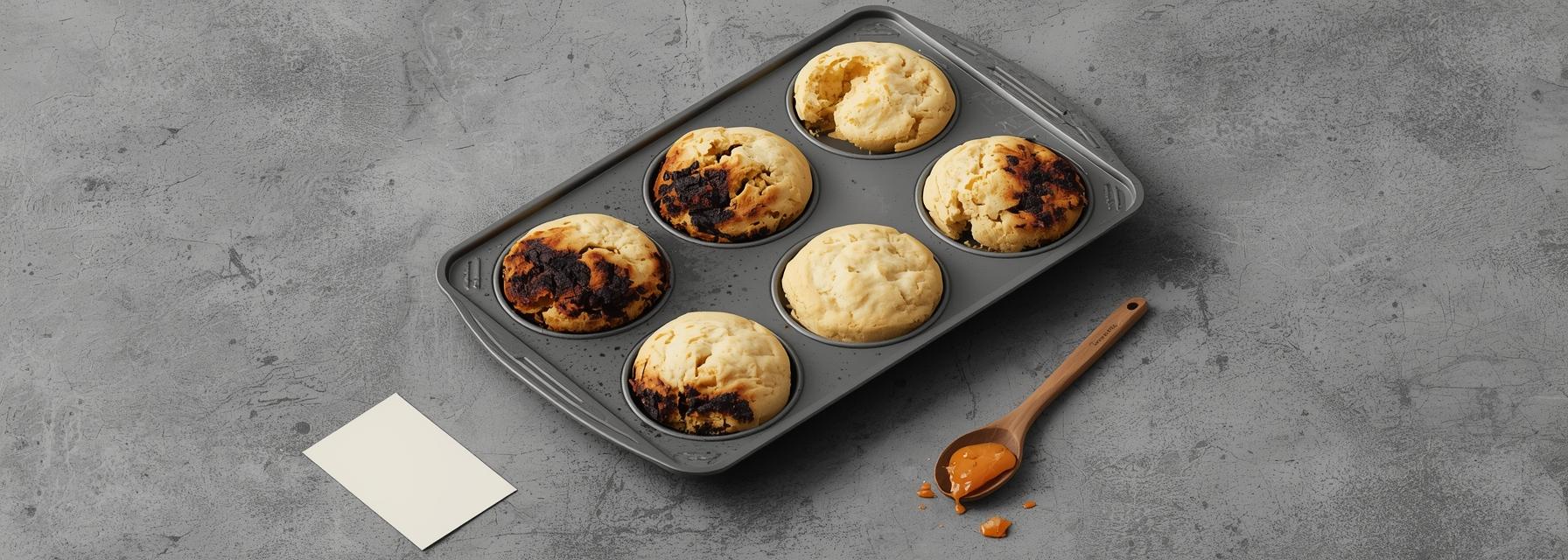
Traditional soul food relies on wheat flour for fried coatings and rich gravies, so swapping in gluten free alternatives often changes both flavor and texture. A gritty crumb or bland cornbread can undermine the comfort and nostalgia dishes like these deliver. Careful selection of flours and attention to seasoning help preserve the signature taste of these recipes, even without gluten.
Why Texture Often Goes Wrong
Cornbread made with gluten-free flour often turns out denser than traditional versions, and biscuits may crumble at the slightest touch. This shift in texture comes from the lack of gluten, the protein that binds and gives stretch to wheat-based doughs.
- allows for creative flour blends with rice, sorghum, or potato starch
- reduces risk for those with celiac disease or gluten intolerance
- brings subtle new flavors, such as nuttiness from almond flour
- opens doors to experimenting with binding agents like xanthan gum or psyllium husk
- crumbly biscuits that fall apart under gravy
- dense, heavy cornbread that lacks the familiar fluffiness
- batters that resist rising, leading to flat cakes or muffins
- grainy mouthfeel when flours are not blended smoothly
For most soul food baked goods, adding at least half a teaspoon of xanthan gum per cup of flour blend significantly improves structure. Blending different gluten-free flours often produces a smoother crumb and better rise than relying on a single substitute.
How to Keep Flavors Authentic
Seasoned cooks often notice that gluten-free batters absorb spices differently than wheat-based ones. This shift can mute heat or smokiness in classic soul food dishes.
| Ingredient Swap | Flavor Impact | Adjustments Needed | Common Pitfall |
|---|---|---|---|
| Rice flour for wheat flour | Less nutty and sweet notes in gravy | Increase smoked paprika and use roasted garlic | Bland sauces that lack depth |
| Tapioca starch for thickening gumbo | Slightly glossy finish, less rich taste | Blend with a small amount of cornmeal | Overly sticky or gelatinous texture |
| Gluten-free breadcrumbs for fried chicken | Weaker crust flavor, absorbs oil faster | Add more cayenne and black pepper to coating | Greasy crust that overshadows seasoning |
| Chickpea flour in hush puppies | Distinct earthy undertone, less sweetness | Mix with a touch of honey or molasses | Bitterness if not balanced with sugar |
| Oat flour for pie crusts | Heartier, oat-forward taste | Combine with ground pecans for complexity | Dominant oat flavor that masks fillings |
These fine-tuned swaps matter most in recipes where spice blends and frying oils define the dish. Layering flavors early and finishing with fresh herbs or citrus zest restores much of the traditional character.
Focusing on texture and seasoning prevents bland or dense results in gluten free soul food. Small adjustments to flour blends and spice levels make a noticeable difference in the final dish.